All Stains
Browse our complete database of 16 stain types. Each guide includes tested removal methods, product recommendations, and answers to common questions.
Beverage Stains
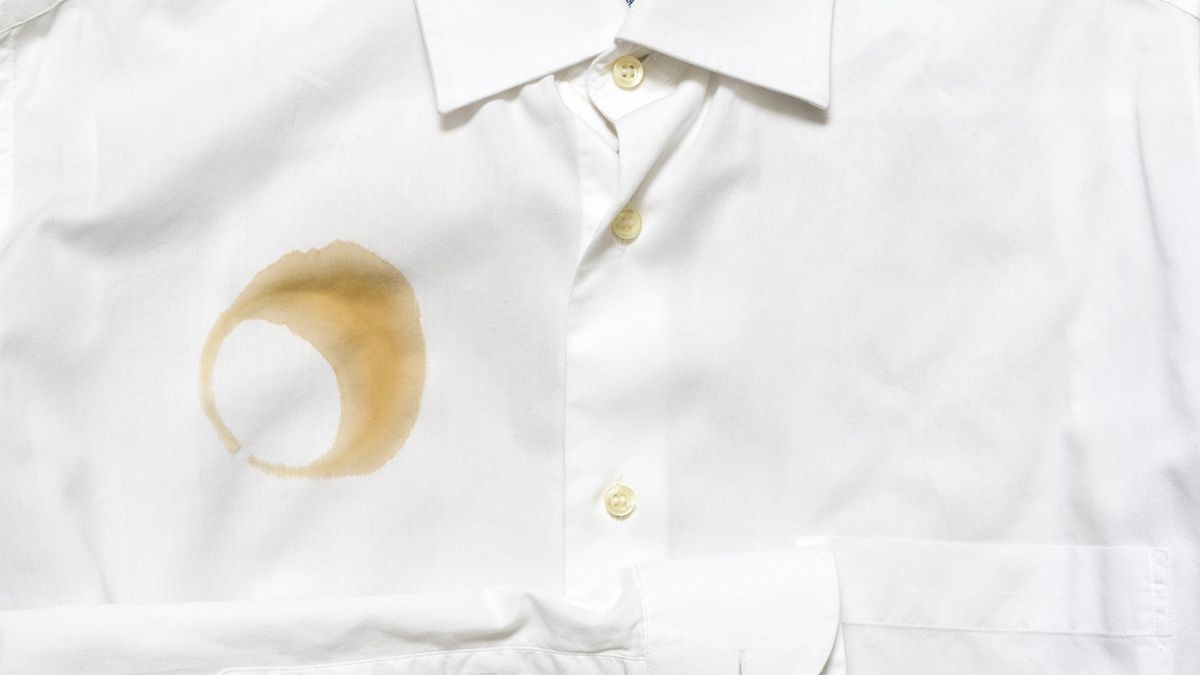
Coffee
Coffee stains are tannin-based and can set quickly if not treated. Fresh coffee stains are much easier to remove than dried ones, but even old coffee marks can be lifted with the right approach.
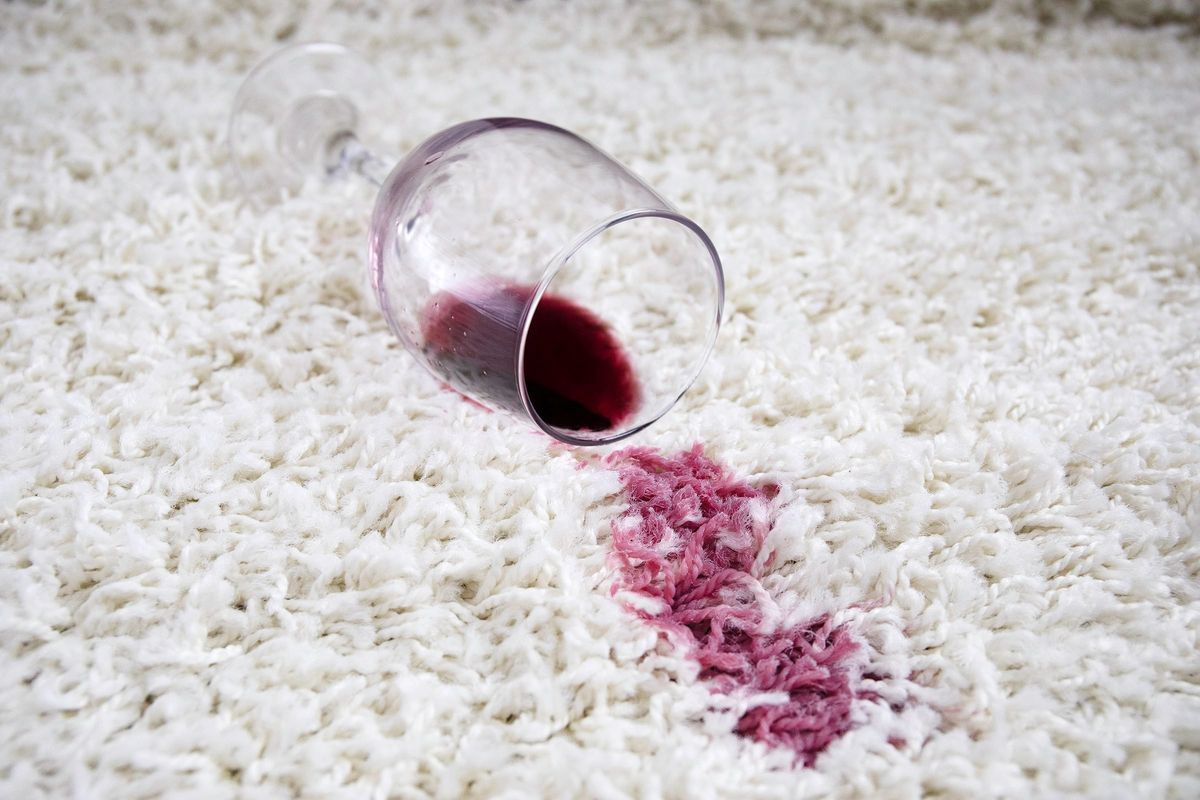
Red Wine
Red wine stains are notoriously difficult because of their combination of tannins and anthocyanin pigments. Acting fast is critical, but even dried red wine stains can be rescued.
Tea
Tea stains are tannin-based, similar to coffee but often more concentrated. Boiling water poured from a height can remove fresh tea stains from fabric almost instantly.
Biological Stains
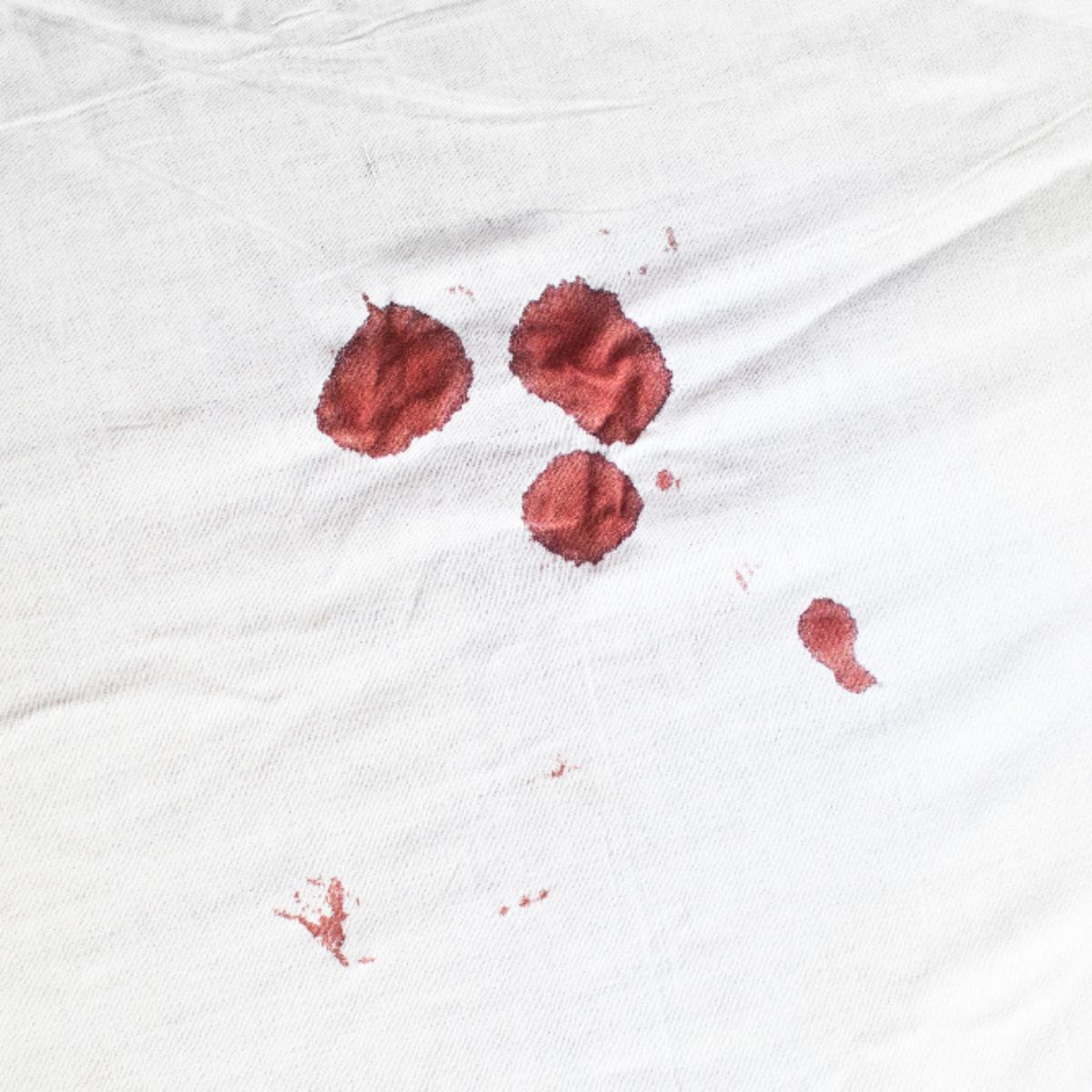
Blood
Blood stains require cold water — never hot. The proteins in blood coagulate with heat, making the stain nearly impossible to remove. Fresh blood stains come out easily; dried ones need enzymatic treatment.
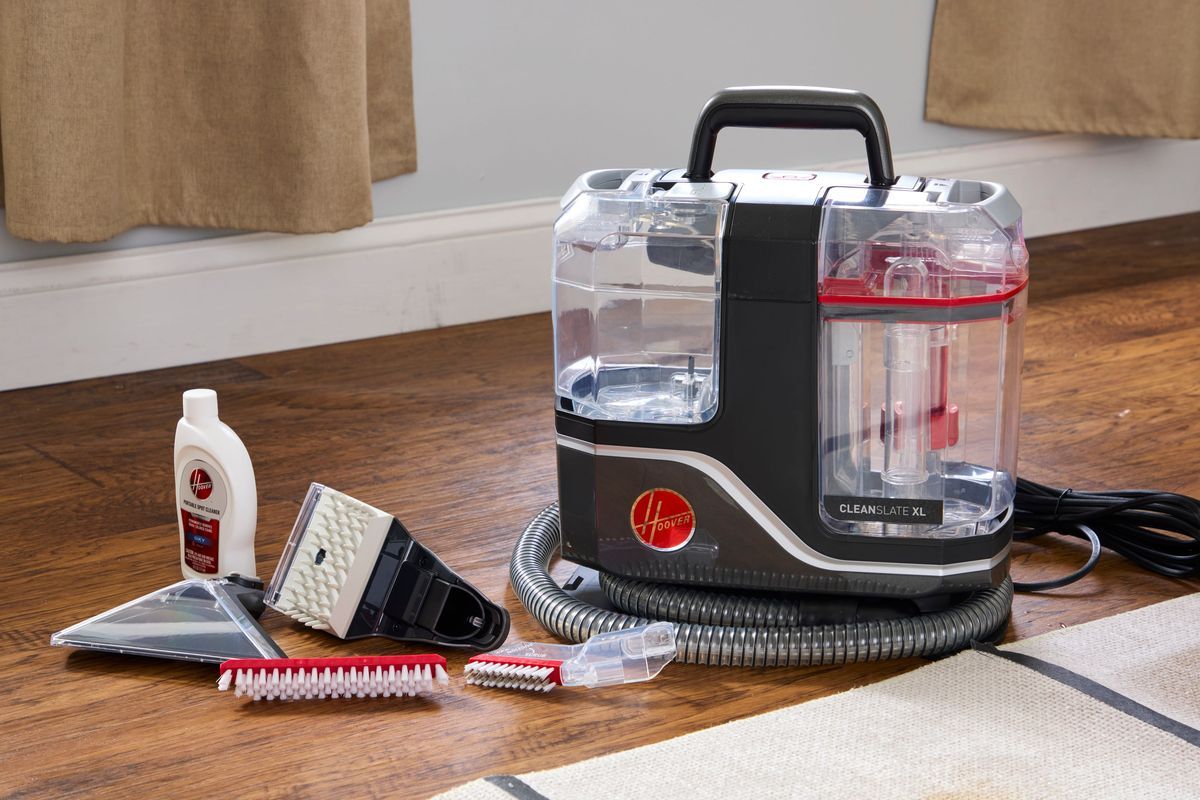
Pet Urine
Pet urine stains are a triple threat: they discolor, they smell, and they attract pets back to the same spot. Enzymatic cleaners are essential — they are the only products that fully break down uric acid crystals.
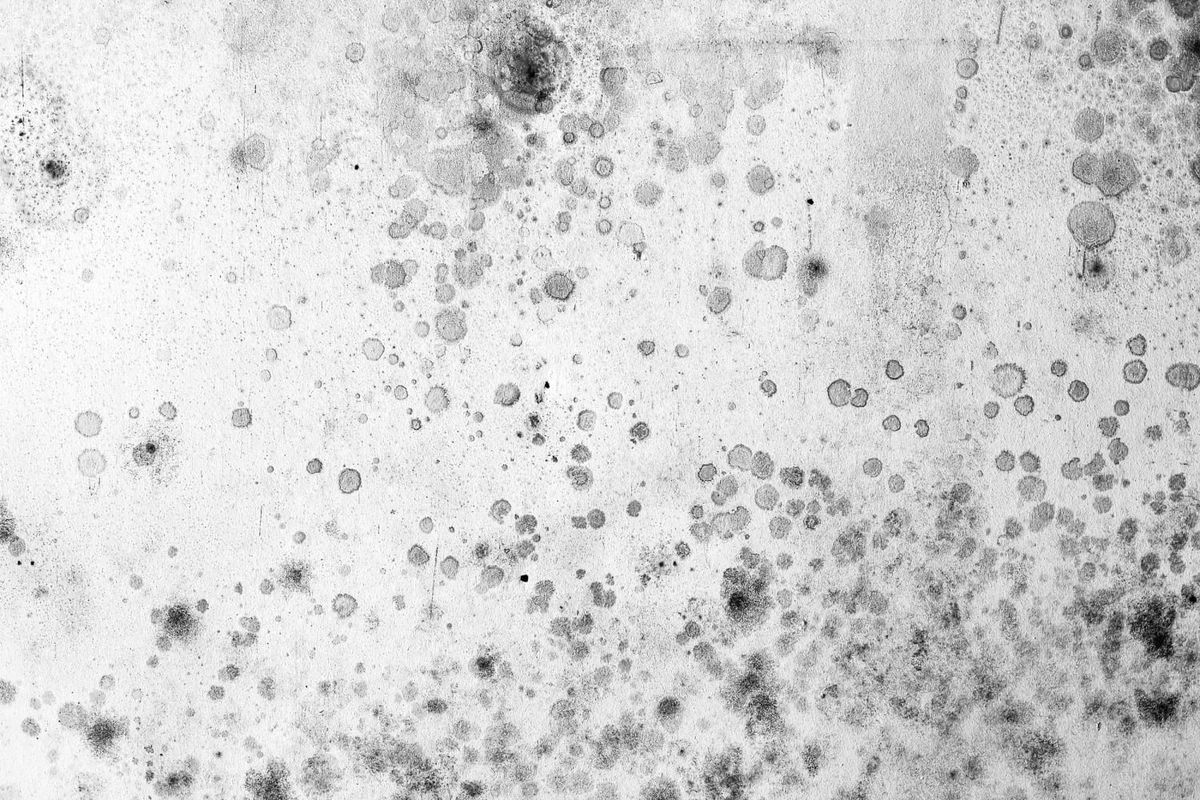
Mold & Mildew
Mold and mildew are living organisms that need to be killed, not just cleaned. Surface cleaning without killing the mold roots means it will grow back within days.
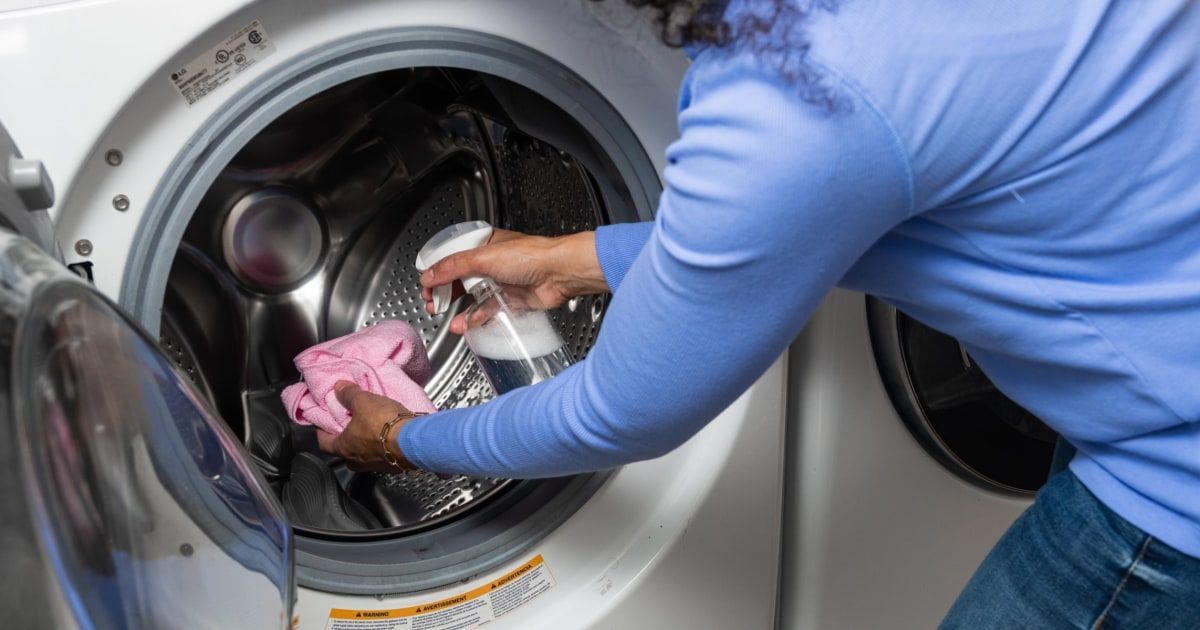
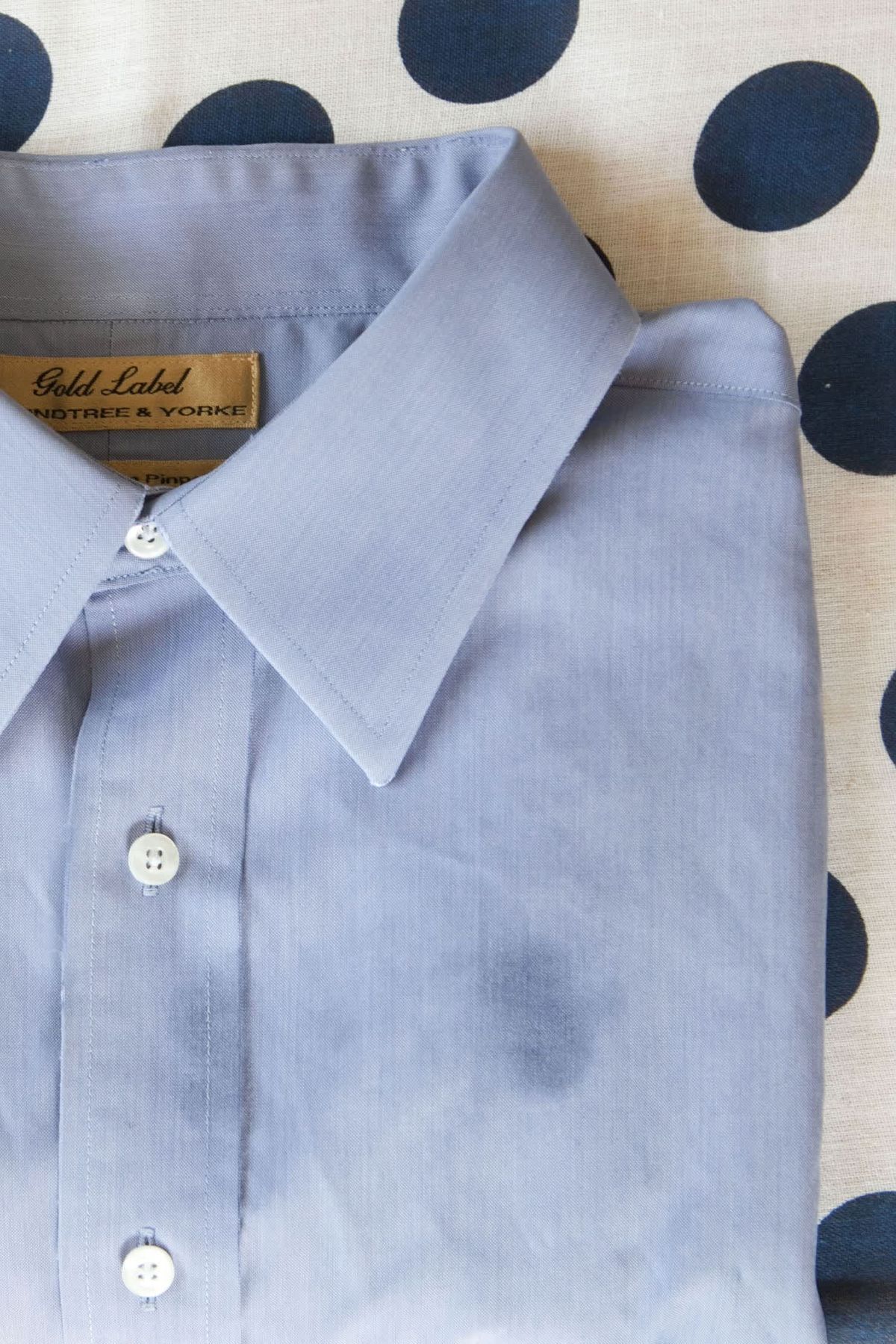
Sweat & Yellow Stains
Yellow sweat stains on white shirts are caused by a reaction between your sweat proteins and aluminum in antiperspirant. Oxygen bleach and hydrogen peroxide are the most effective treatments.
Oil-Based Stains
Mineral Stains
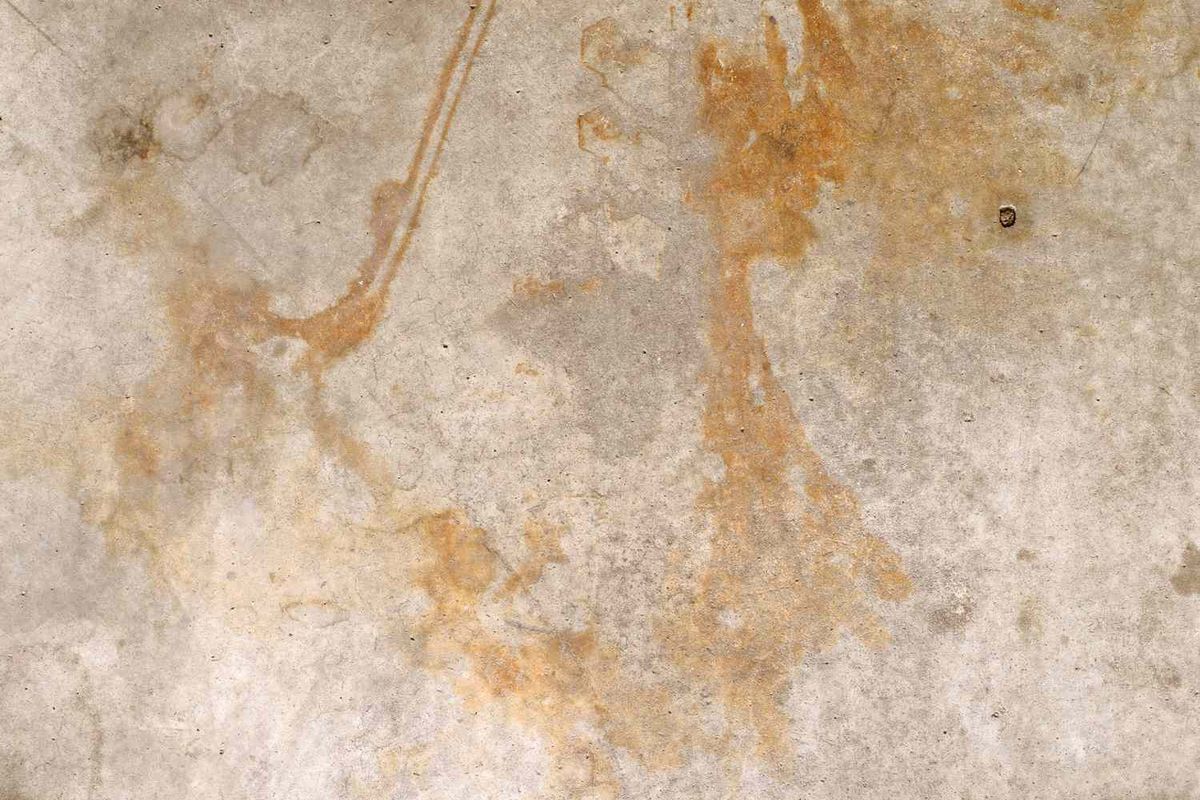
Rust
Rust stains are iron oxide deposits that require acidic solutions to dissolve. Never use bleach on rust — it makes the stain worse by oxidizing the iron further.
Water Stains
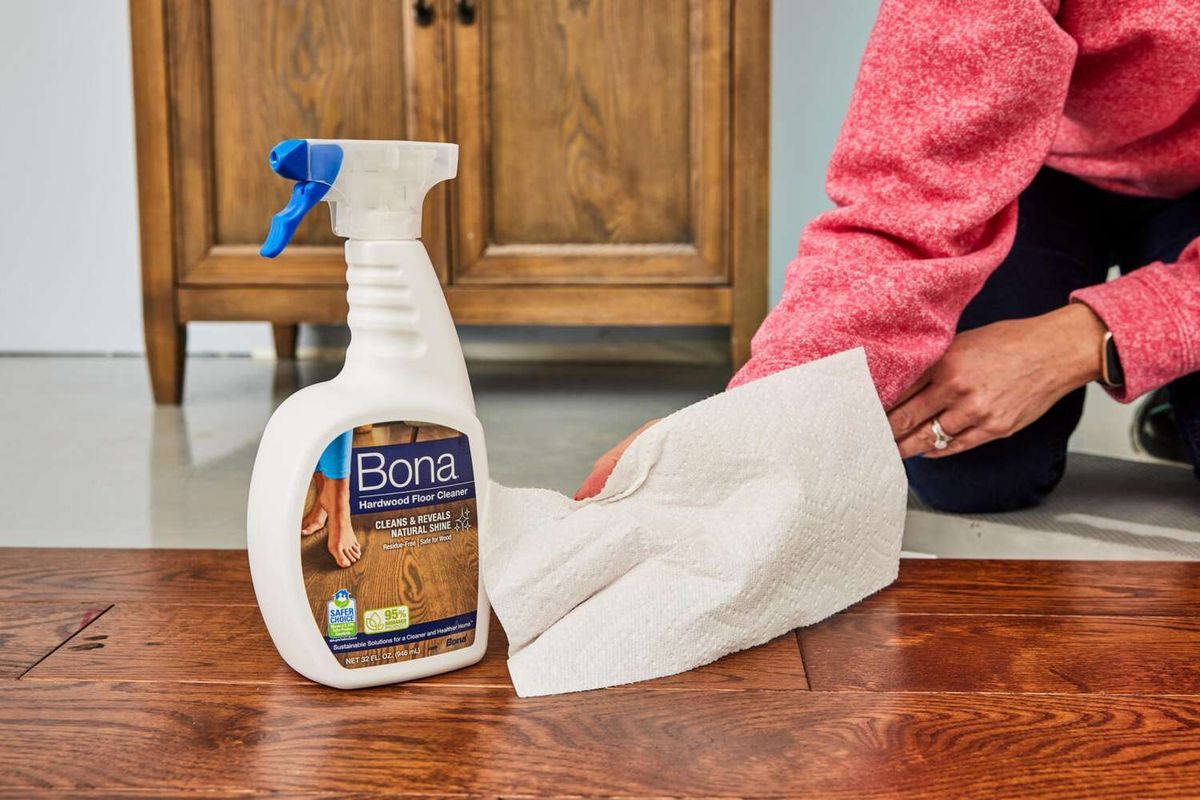
Water stains on wood are caused by moisture trapped in the finish. White water rings are in the finish and can be removed; dark water stains have penetrated the wood and require more work.
Dye-Based Stains
Ink
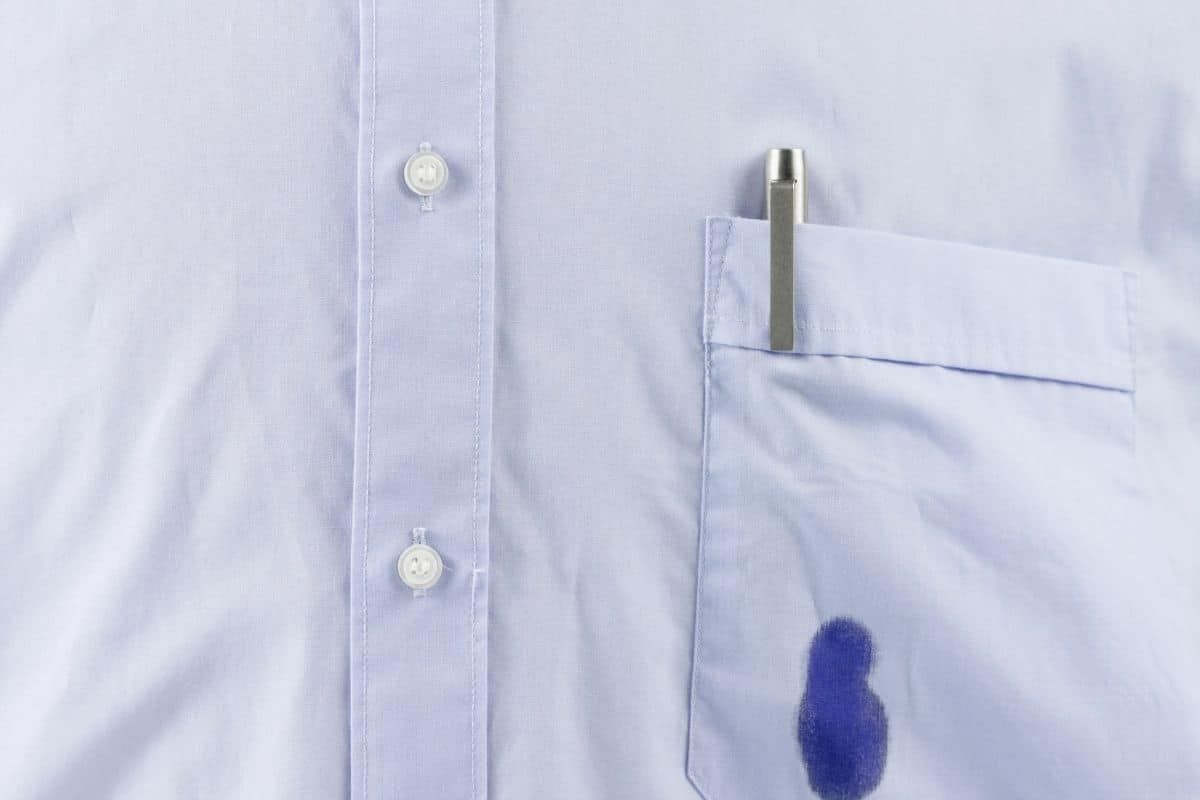
Ink stains vary dramatically depending on the type of ink. Ballpoint, permanent marker, and fountain pen inks all require different approaches. Rubbing alcohol is the universal starting point.
Permanent Marker
Permanent marker is designed to be permanent, but it can be removed from most surfaces with the right solvents. Rubbing alcohol, acetone, and dry-erase markers are your best tools.
Plant-Based Stains
Earth Stains
Spice Stains
Chemical Stains
Did not find your stain?
We're constantly expanding our database. Check back soon or contact us with your stain removal question.
Get in Touch