How to Remove Blood Stains — Tested Methods
moderateHow to remove blood stains from mattresses, sheets, clothing, and carpet. Cold water methods and enzyme cleaners that work on both fresh and dried blood stains.
Dr. Elena Vasquez · Science Advisor
Published April 1, 2026
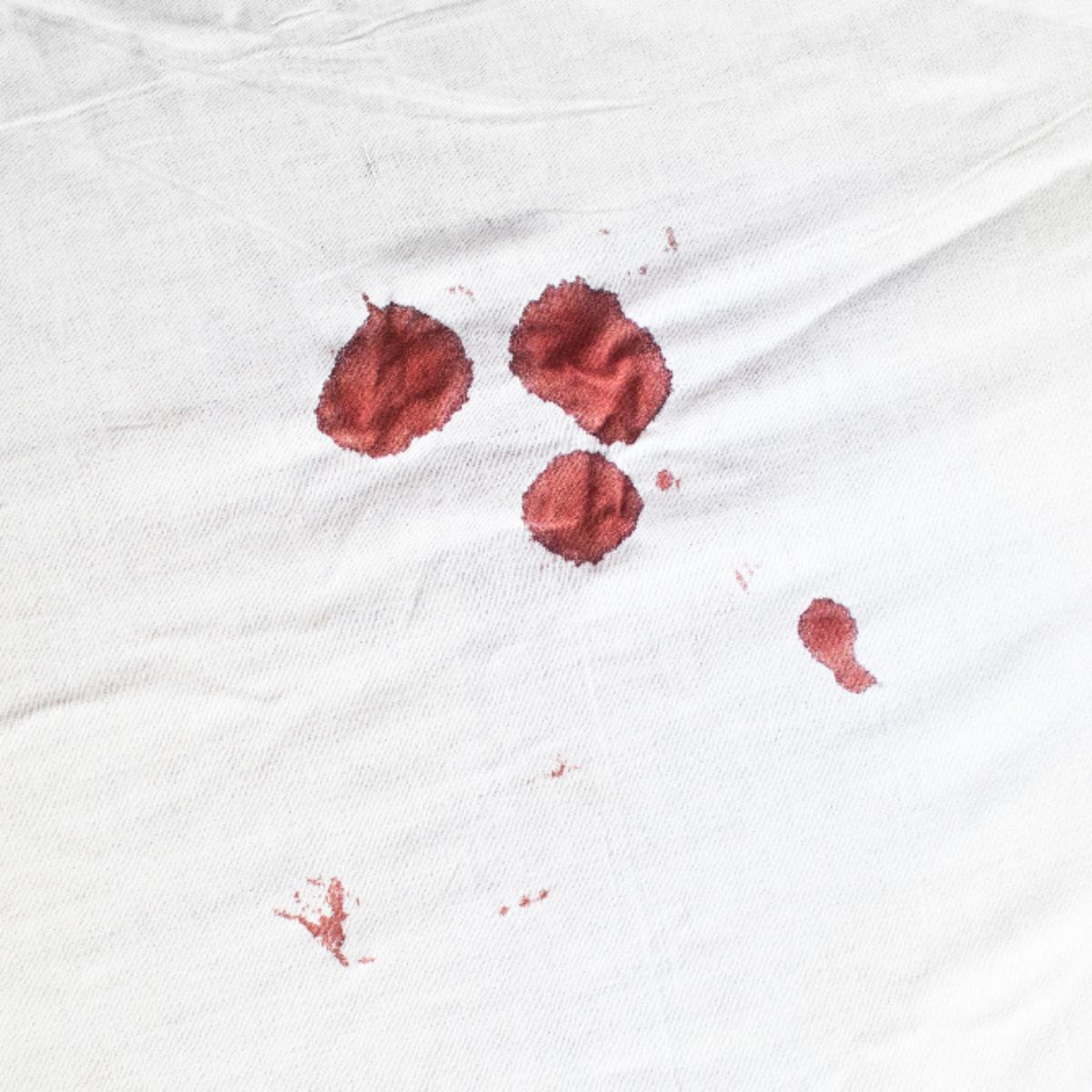
Blood stains are one of the most common household stains, from nosebleeds on pillowcases to cuts on clothing. The good news is that blood stains are very treatable — if you use the right approach. The single most important rule is to use cold water only. We cannot stress this enough. Hot water causes the hemoglobin proteins in blood to denature and bind permanently to fabric fibers. In our testing, cold water alone removed fresh blood stains about 80% of the time.
Blood contains hemoglobin, a protein that carries oxygen. When blood dries, the hemoglobin oxidizes and forms methemoglobin, which bonds tightly to fabric fibers. Heat accelerates this process dramatically — at temperatures above 42°C (108°F), blood proteins denature and become insoluble, essentially cooking the stain into the fabric. Enzymatic cleaners contain proteases that break down these protein bonds at the molecular level.
General Tips for Blood Stains
- Always use cold water — this is non-negotiable for blood stains
- Hydrogen peroxide bubbles on contact with blood and helps lift it
- Your own saliva contains enzymes that break down your own blood (useful for small stains)
- Enzyme-based laundry detergent is the most reliable solution
- For mattresses, use hydrogen peroxide with a spray bottle
- Using hot water (this is the #1 mistake — it permanently sets blood stains)
- Putting a blood-stained item in the dryer before the stain is fully removed
- Not treating the stain quickly enough — dried blood is much harder to remove
- Using bleach on colored fabrics instead of enzyme cleaners
Removing Blood Stains by Surface
The best method for removing blood stains depends heavily on the surface material. Different surfaces require different cleaning agents and techniques — what works on carpet can damage leather, and what's safe for clothing may harm hardwood. Use our Stain Finder to get a method tailored to your exact surface, or browse the surface-specific guides below.
Speed is the single most important factor in stain removal. A blood stain treated within the first 5 minutes has a dramatically higher removal rate than one left for an hour. If you cannot treat it immediately, blot up as much as possible and keep the area damp with cold water until you can apply the proper treatment. Use our Emergency Guide for immediate step-by-step action.
Frequently Asked Questions
Related Stain Guides
If you are dealing with a similar stain, these guides may also be helpful:
- How to remove pet urine stains — Pet urine stains are a triple threat: they discolor, they smell, and they attrac...
- How to remove grass stains — Grass stains are a combination of chlorophyll, proteins, and other organic compo...
Not sure which cleaner to use? Our Product Finder gives expert-tested recommendations for blood stains based on your specific surface and scenario. We only recommend products we have tested — no sponsored placements.
Interactive Tools
Pick your surface and stain age to get a personalized removal method for Blood stains.
Open Stain Finder →Get immediate step-by-step action for any fresh spill. Every second counts.
Emergency Guide →Get expert-tested product recommendations for Blood stains.
Product Finder →Dr. Elena Vasquez
Science Advisor, StainDesk
Elena holds a PhD in materials science and specializes in polymer chemistry and surface interactions. She ensures all scientific explanations on StainDesk are accurate.
Meet the full editorial team →