How to Remove Coffee Stains — Tested Methods
moderateComplete guide to removing coffee stains from any surface. Expert-tested methods for fresh and dried coffee stains on carpet, clothing, upholstery, and more.
Sarah Chen · Editor-in-Chief
Published April 1, 2026
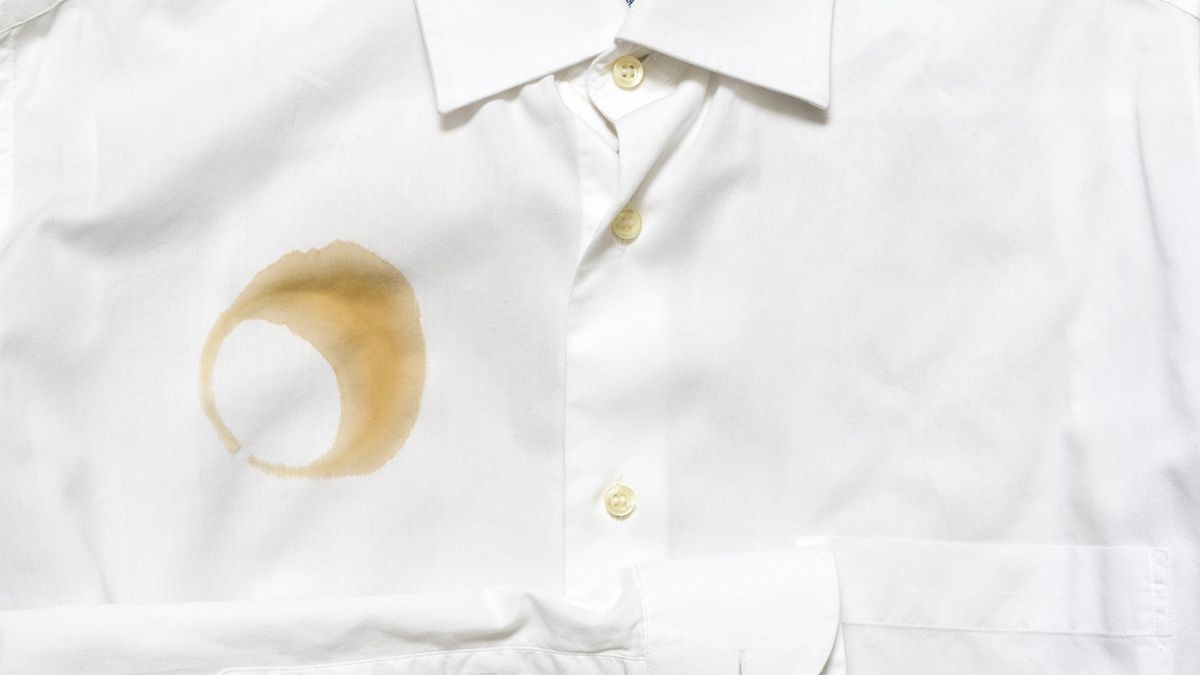
Coffee is one of the most common household stains, and for good reason — over 60% of Americans drink coffee daily. The tannins in coffee bond with fabric fibers quickly, which is why speed matters. But even if you discover a coffee stain hours (or days) later, there are reliable methods to get it out. We have tested dozens of approaches across different surfaces and compiled what actually works.
Coffee stains are caused by tannins — naturally occurring polyphenolic compounds that bind to proteins and fibers. When coffee hits a surface, these tannins quickly form hydrogen bonds with the material. Heat sets these bonds further, which is why you should never use hot water on a fresh coffee stain. Cold water loosens the tannin bonds, while enzymatic cleaners break them down at a molecular level.
General Tips for Coffee Stains
- Blot immediately — never rub, as this pushes the stain deeper into fibers
- Use cold water first; hot water can set tannin stains permanently
- White vinegar is surprisingly effective on fresh coffee stains
- For dried stains, pre-soak in an enzyme-based detergent for at least 30 minutes
- Test any cleaning solution on a hidden area first
- Using hot water on a fresh coffee stain (this sets the tannins)
- Rubbing the stain instead of blotting (spreads it and damages fibers)
- Waiting too long before treating — coffee stains set within 24 hours
- Using bleach on colored fabrics (creates a worse problem than the stain)
Removing Coffee Stains by Surface
The best method for removing coffee stains depends heavily on the surface material. Different surfaces require different cleaning agents and techniques — what works on carpet can damage leather, and what's safe for clothing may harm hardwood. Use our Stain Finder to get a method tailored to your exact surface, or browse the surface-specific guides below.
Speed is the single most important factor in stain removal. A coffee stain treated within the first 5 minutes has a dramatically higher removal rate than one left for an hour. If you cannot treat it immediately, blot up as much as possible and keep the area damp with cold water until you can apply the proper treatment. Use our Emergency Guide for immediate step-by-step action.
Frequently Asked Questions
Related Stain Guides
If you are dealing with a similar stain, these guides may also be helpful:
- How to remove tea stains — Tea stains are tannin-based, similar to coffee but often more concentrated. Boil...
- How to remove red wine stains — Red wine stains are notoriously difficult because of their combination of tannin...
Not sure which cleaner to use? Our Product Finder gives expert-tested recommendations for coffee stains based on your specific surface and scenario. We only recommend products we have tested — no sponsored placements.
Interactive Tools
Pick your surface and stain age to get a personalized removal method for Coffee stains.
Open Stain Finder →Get immediate step-by-step action for any fresh spill. Every second counts.
Emergency Guide →Get expert-tested product recommendations for Coffee stains.
Product Finder →Sarah Chen
Editor-in-Chief, StainDesk
Sarah holds a degree in chemistry and spent 3 years in commercial cleaning before transitioning to editorial work. She has tested hundreds of stain removal methods across 8 years of hands-on research.
Meet the full editorial team →