How to Remove Grease & Oil Stains — Tested Methods
moderateHow to remove grease and oil stains from clothes, concrete, carpet, and more. Dish soap method, baking soda technique, and commercial degreasers compared.
Marcus Rodriguez · Senior Writer
Published April 1, 2026
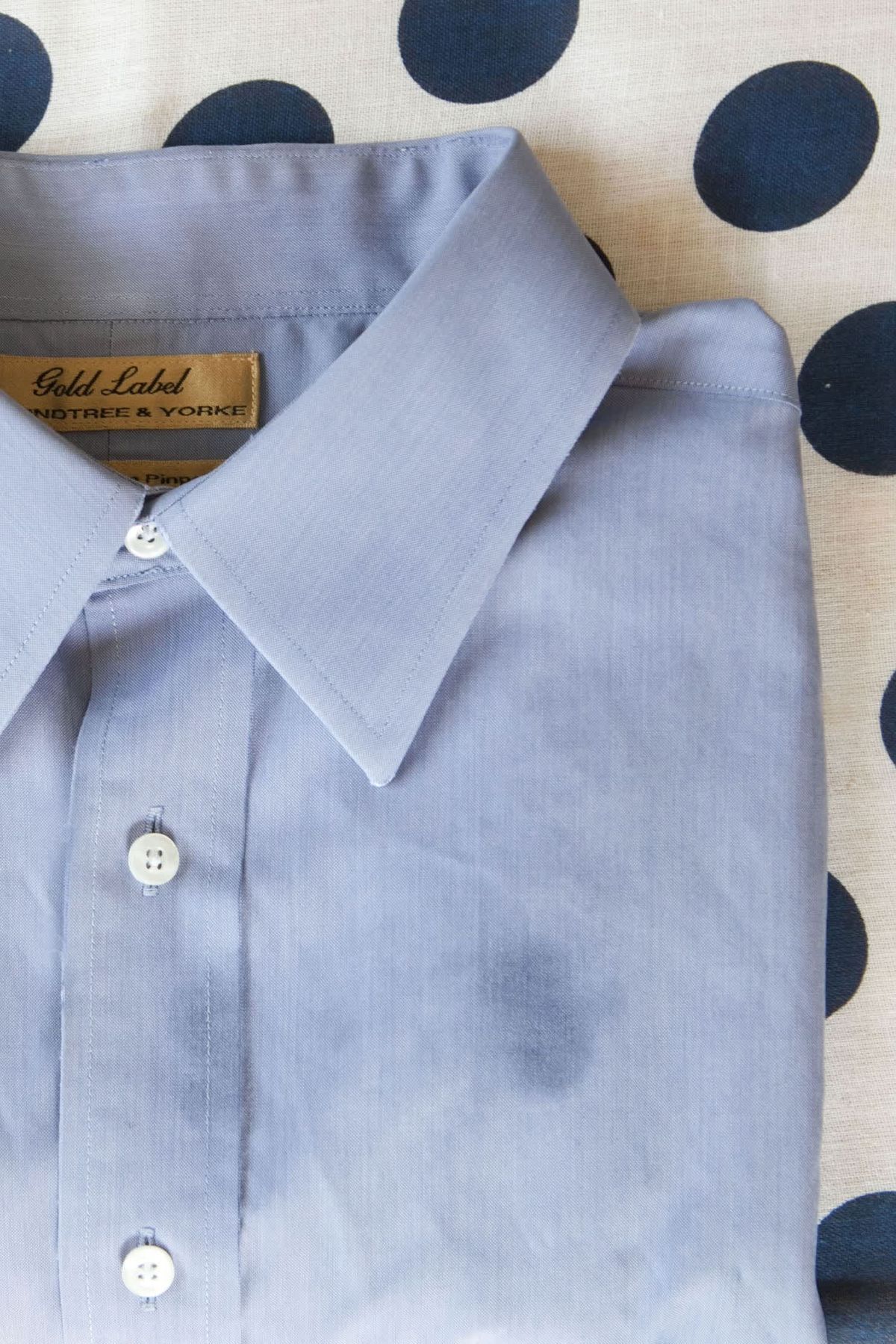
Grease stains are frustrating because they are invisible enemies — sometimes you do not even notice them until after you have washed and dried the garment. The heat from the dryer sets grease stains, making them much harder to remove. In our experience, the humble dish soap method works better than most commercial stain removers for grease. Dawn dish soap, in particular, has become our go-to recommendation after testing over a dozen products.
Grease and oil are hydrophobic (water-repelling) molecules. They cannot be dissolved by water alone because water molecules are polar and oil molecules are nonpolar. Surfactants like dish soap have a dual structure — one end is attracted to water and the other to oil. This allows them to surround oil molecules and suspend them in water, a process called emulsification. This is why dish soap is so effective on grease stains.
General Tips for Grease & Oil Stains
- Apply dish soap directly to the stain before wetting — this gives the surfactant direct contact with the grease
- Baking soda or cornstarch can absorb fresh grease before treatment
- Never put a grease-stained item in the dryer — heat sets grease permanently
- For concrete, use a commercial degreaser or cat litter to absorb
- Check the stain before drying — retreat if any grease remains
- Putting grease-stained clothes in the dryer (heat sets the stain permanently)
- Using only water without a surfactant or solvent
- Not applying enough dish soap — be generous with the application
- Giving up after one wash cycle (grease often needs 2-3 treatments)
Removing Grease & Oil Stains by Surface
The best method for removing grease & oil stains depends heavily on the surface material. Different surfaces require different cleaning agents and techniques — what works on carpet can damage leather, and what's safe for clothing may harm hardwood. Use our Stain Finder to get a method tailored to your exact surface, or browse the surface-specific guides below.
Speed is the single most important factor in stain removal. A grease & oil stain treated within the first 5 minutes has a dramatically higher removal rate than one left for an hour. If you cannot treat it immediately, blot up as much as possible and keep the area damp with cold water until you can apply the proper treatment. Use our Emergency Guide for immediate step-by-step action.
Frequently Asked Questions
Not sure which cleaner to use? Our Product Finder gives expert-tested recommendations for grease & oil stains based on your specific surface and scenario. We only recommend products we have tested — no sponsored placements.
Interactive Tools
Pick your surface and stain age to get a personalized removal method for Grease & Oil stains.
Open Stain Finder →Get immediate step-by-step action for any fresh spill. Every second counts.
Emergency Guide →Get expert-tested product recommendations for Grease & Oil stains.
Product Finder →Marcus Rodriguez
Senior Writer, StainDesk
Marcus is a professional house cleaner with 12 years of experience removing stains from thousands of homes. His guides focus on practical methods that work in real-world conditions.
Meet the full editorial team →