How to Remove Mold & Mildew Stains — Tested Methods
moderateHow to remove mold and mildew from shower grout, walls, ceiling, and fabric. Bleach vs vinegar comparison and prevention strategies that actually work.
Marcus Rodriguez · Senior Writer
Published April 1, 2026
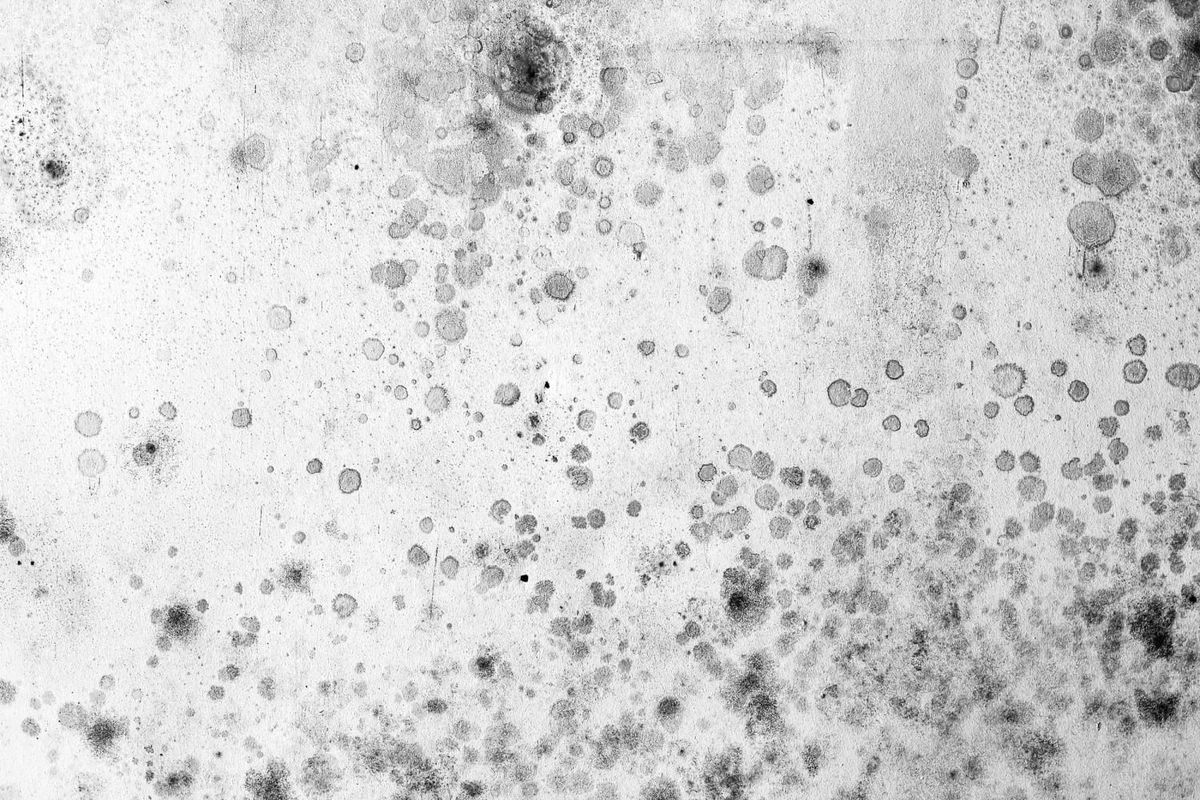
Mold is not just unsightly — it can be a health hazard, especially for people with allergies or respiratory conditions. The key to mold removal is understanding that you are dealing with a living organism with roots (hyphae) that penetrate below the surface. Simply wiping mold off a surface is like mowing a weed without pulling the root — it will grow back. Effective mold removal requires killing the organism and addressing the moisture source that allowed it to grow in the first place.
Mold is a type of fungus that reproduces through microscopic spores. It requires moisture, warmth, and organic material to grow. Mold hyphae (root-like structures) can penetrate porous surfaces like grout, drywall, and wood. Bleach kills surface mold effectively but does not penetrate porous materials well. White vinegar (acetic acid) penetrates porous surfaces better and kills about 82% of mold species. For the most thorough treatment, use both: vinegar first to penetrate, then bleach to kill surface mold.
General Tips for Mold & Mildew Stains
- Fix the moisture source first — mold cannot grow without moisture
- Wear a mask (N95 or better) when cleaning mold to avoid inhaling spores
- White vinegar kills mold roots better than bleach on porous surfaces
- For shower grout, apply a bleach gel and let it sit for 15-30 minutes
- Improve ventilation — run bathroom fans for 30 minutes after showering
- Only cleaning the surface without killing the mold roots
- Not wearing respiratory protection when cleaning mold
- Mixing bleach with vinegar or ammonia (creates toxic gases)
- Not addressing the underlying moisture problem
Removing Mold & Mildew Stains by Surface
The best method for removing mold & mildew stains depends heavily on the surface material. Different surfaces require different cleaning agents and techniques — what works on carpet can damage leather, and what's safe for clothing may harm hardwood. Use our Stain Finder to get a method tailored to your exact surface, or browse the surface-specific guides below.
Speed is the single most important factor in stain removal. A mold & mildew stain treated within the first 5 minutes has a dramatically higher removal rate than one left for an hour. If you cannot treat it immediately, blot up as much as possible and keep the area damp with cold water until you can apply the proper treatment. Use our Emergency Guide for immediate step-by-step action.
Frequently Asked Questions
Not sure which cleaner to use? Our Product Finder gives expert-tested recommendations for mold & mildew stains based on your specific surface and scenario. We only recommend products we have tested — no sponsored placements.
Interactive Tools
Pick your surface and stain age to get a personalized removal method for Mold & Mildew stains.
Open Stain Finder →Get immediate step-by-step action for any fresh spill. Every second counts.
Emergency Guide →Get expert-tested product recommendations for Mold & Mildew stains.
Product Finder →Marcus Rodriguez
Senior Writer, StainDesk
Marcus is a professional house cleaner with 12 years of experience removing stains from thousands of homes. His guides focus on practical methods that work in real-world conditions.
Meet the full editorial team →