How to Remove Mud & Dirt Stains — Tested Methods
easyHow to remove mud stains from carpet, clothing, shoes, and car interiors. Why you should let mud dry first and the best cleaning methods for each surface.
Marcus Rodriguez · Senior Writer
Published April 1, 2026
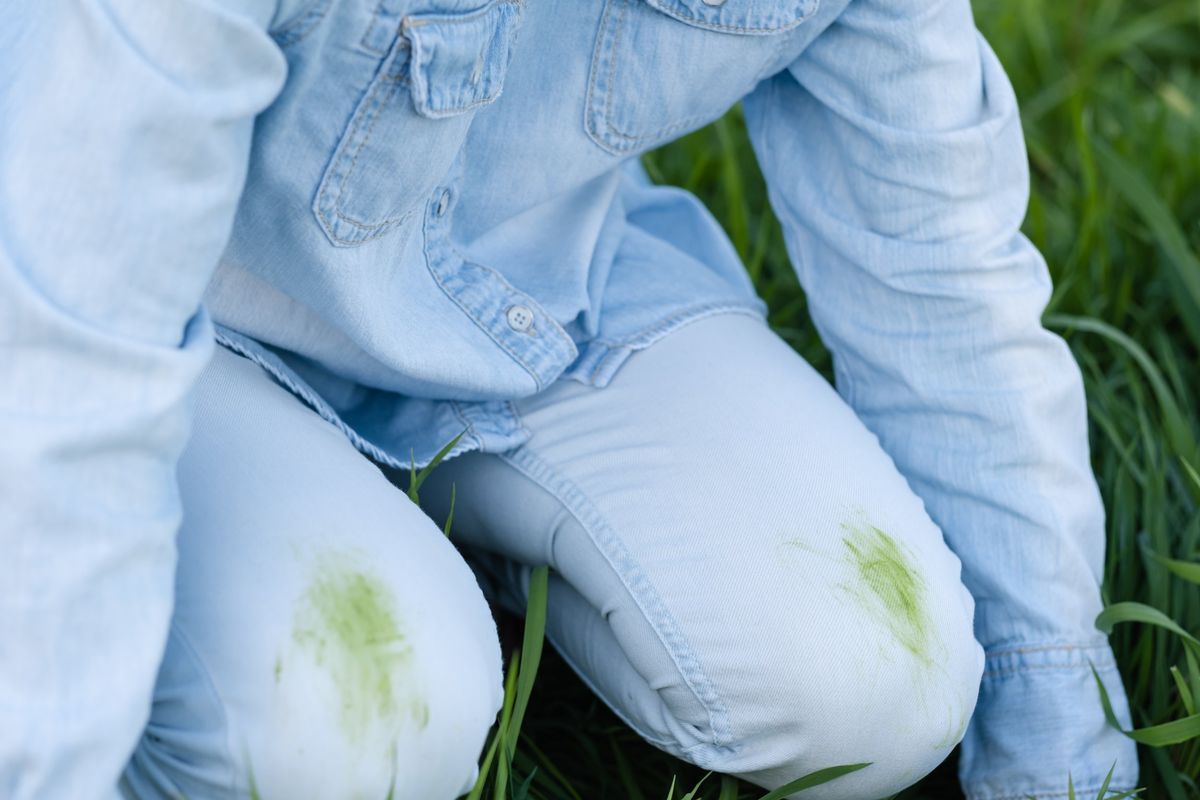
Mud stains are one of the easiest stains to deal with — if you resist the urge to clean them immediately. The counterintuitive truth is that you should let mud dry completely before attempting to remove it. Wet mud is a slurry of fine particles suspended in water, and wiping or rubbing it just pushes those particles deeper into fabric fibers. Once dry, most of the mud can be brushed or vacuumed off, leaving only a light residual stain that comes out easily in the wash.
Mud is a suspension of fine mineral particles (clay, silt, sand) in water. When wet, these particles are mobile and can be pushed deeper into porous materials. When dry, the water evaporates and the particles form a loose, brittle crust that can be mechanically removed. The residual stain after brushing is typically clay particles that have bonded to fibers through weak electrostatic forces, which are easily broken by surfactants in laundry detergent.
General Tips for Mud & Dirt Stains
- Let mud dry completely before cleaning — this is the most important step
- Brush or vacuum off dried mud before washing
- Pre-treat any remaining stain with liquid detergent
- For carpet, vacuum thoroughly after the mud dries, then spot-clean
- Check for stains before putting clothes in the dryer
- Trying to clean wet mud (pushes particles deeper into fibers)
- Rubbing wet mud on carpet (creates a larger, deeper stain)
- Not brushing off dried mud before washing (clogs the washing machine)
- Using hot water on mud stains with organic matter (can set protein stains)
Removing Mud & Dirt Stains by Surface
The best method for removing mud & dirt stains depends heavily on the surface material. Different surfaces require different cleaning agents and techniques — what works on carpet can damage leather, and what's safe for clothing may harm hardwood. Use our Stain Finder to get a method tailored to your exact surface, or browse the surface-specific guides below.
Speed is the single most important factor in stain removal. A mud & dirt stain treated within the first 5 minutes has a dramatically higher removal rate than one left for an hour. If you cannot treat it immediately, blot up as much as possible and keep the area damp with cold water until you can apply the proper treatment. Use our Emergency Guide for immediate step-by-step action.
Frequently Asked Questions
Related Stain Guides
If you are dealing with a similar stain, these guides may also be helpful:
- How to remove grass stains — Grass stains are a combination of chlorophyll, proteins, and other organic compo...
Not sure which cleaner to use? Our Product Finder gives expert-tested recommendations for mud & dirt stains based on your specific surface and scenario. We only recommend products we have tested — no sponsored placements.
Interactive Tools
Pick your surface and stain age to get a personalized removal method for Mud & Dirt stains.
Open Stain Finder →Get immediate step-by-step action for any fresh spill. Every second counts.
Emergency Guide →Get expert-tested product recommendations for Mud & Dirt stains.
Product Finder →Marcus Rodriguez
Senior Writer, StainDesk
Marcus is a professional house cleaner with 12 years of experience removing stains from thousands of homes. His guides focus on practical methods that work in real-world conditions.
Meet the full editorial team →