How to Remove Paint Stains — Tested Methods
hardHow to remove paint from clothes, carpet, wood floors, and skin. Latex vs oil-based paint removal methods with step-by-step instructions.
Marcus Rodriguez · Senior Writer
Published April 1, 2026
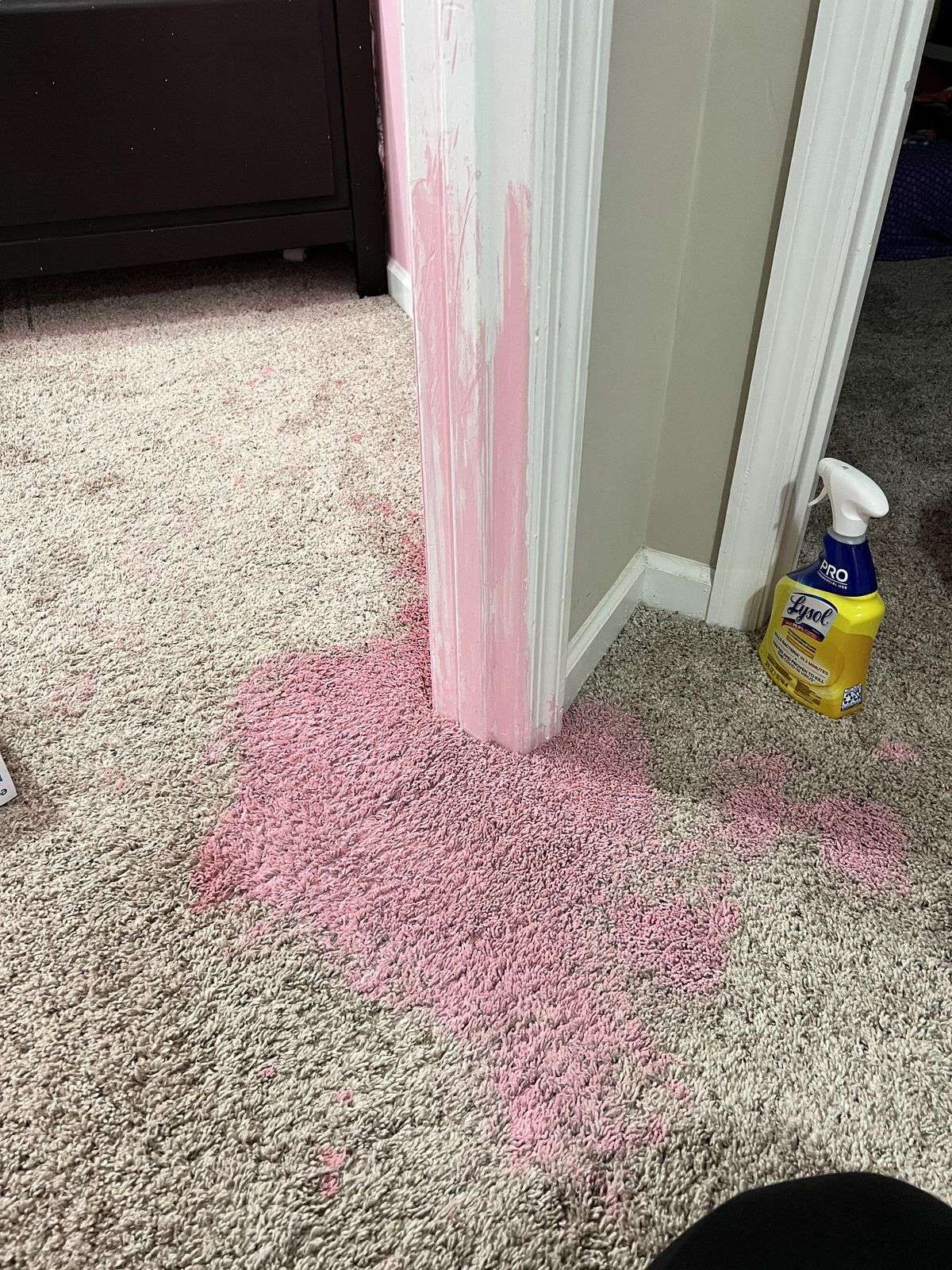
The first question to ask with any paint stain is: is it water-based (latex/acrylic) or oil-based? This determines everything about your approach. Water-based paint, which accounts for about 80% of household paint, washes out easily with soap and water while still wet. Once dried, it forms a flexible plastic film that is much harder to remove. Oil-based paint requires mineral spirits or paint thinner at any stage. We have found that speed is the most important factor for water-based paint, while having the right solvent matters most for oil-based paint.
Water-based (latex) paint consists of pigments and binders (acrylic or vinyl polymers) suspended in water. While wet, the water keeps the polymers in suspension and the paint can be washed away. Once the water evaporates, the polymer particles coalesce into a continuous, flexible film — this is why dried latex paint is so difficult to remove. Oil-based paint uses alkyd resins dissolved in mineral spirits. These resins require organic solvents to dissolve, both when wet and when dry.
General Tips for Paint Stains
- Identify the paint type first — check the can or test with rubbing alcohol (latex paint softens)
- For wet latex paint, wash immediately with soap and warm water
- For dried latex paint, try rubbing alcohol or hand sanitizer
- For oil-based paint, use mineral spirits or paint thinner
- Never put paint-stained clothes in the dryer until the stain is fully removed
- Using water on oil-based paint (it has no effect)
- Letting water-based paint dry before treating (much harder once dry)
- Using paint thinner on synthetic fabrics (can dissolve the fabric)
- Not ventilating the area when using solvents
Removing Paint Stains by Surface
The best method for removing paint stains depends heavily on the surface material. Different surfaces require different cleaning agents and techniques — what works on carpet can damage leather, and what's safe for clothing may harm hardwood. Use our Stain Finder to get a method tailored to your exact surface, or browse the surface-specific guides below.
Speed is the single most important factor in stain removal. A paint stain treated within the first 5 minutes has a dramatically higher removal rate than one left for an hour. If you cannot treat it immediately, blot up as much as possible and keep the area damp with cold water until you can apply the proper treatment. Use our Emergency Guide for immediate step-by-step action.
Frequently Asked Questions
Related Stain Guides
If you are dealing with a similar stain, these guides may also be helpful:
- How to remove ink stains — Ink stains vary dramatically depending on the type of ink. Ballpoint, permanent ...
- How to remove permanent marker stains — Permanent marker is designed to be permanent, but it can be removed from most su...
Not sure which cleaner to use? Our Product Finder gives expert-tested recommendations for paint stains based on your specific surface and scenario. We only recommend products we have tested — no sponsored placements.
Interactive Tools
Pick your surface and stain age to get a personalized removal method for Paint stains.
Open Stain Finder →Get immediate step-by-step action for any fresh spill. Every second counts.
Emergency Guide →Get expert-tested product recommendations for Paint stains.
Product Finder →Marcus Rodriguez
Senior Writer, StainDesk
Marcus is a professional house cleaner with 12 years of experience removing stains from thousands of homes. His guides focus on practical methods that work in real-world conditions.
Meet the full editorial team →