How to Remove Permanent Marker Stains — Tested Methods
hardHow to remove permanent marker from wood, walls, whiteboard, clothing, and skin. The dry-erase marker trick and other proven removal methods.
Sarah Chen · Editor-in-Chief
Published April 1, 2026
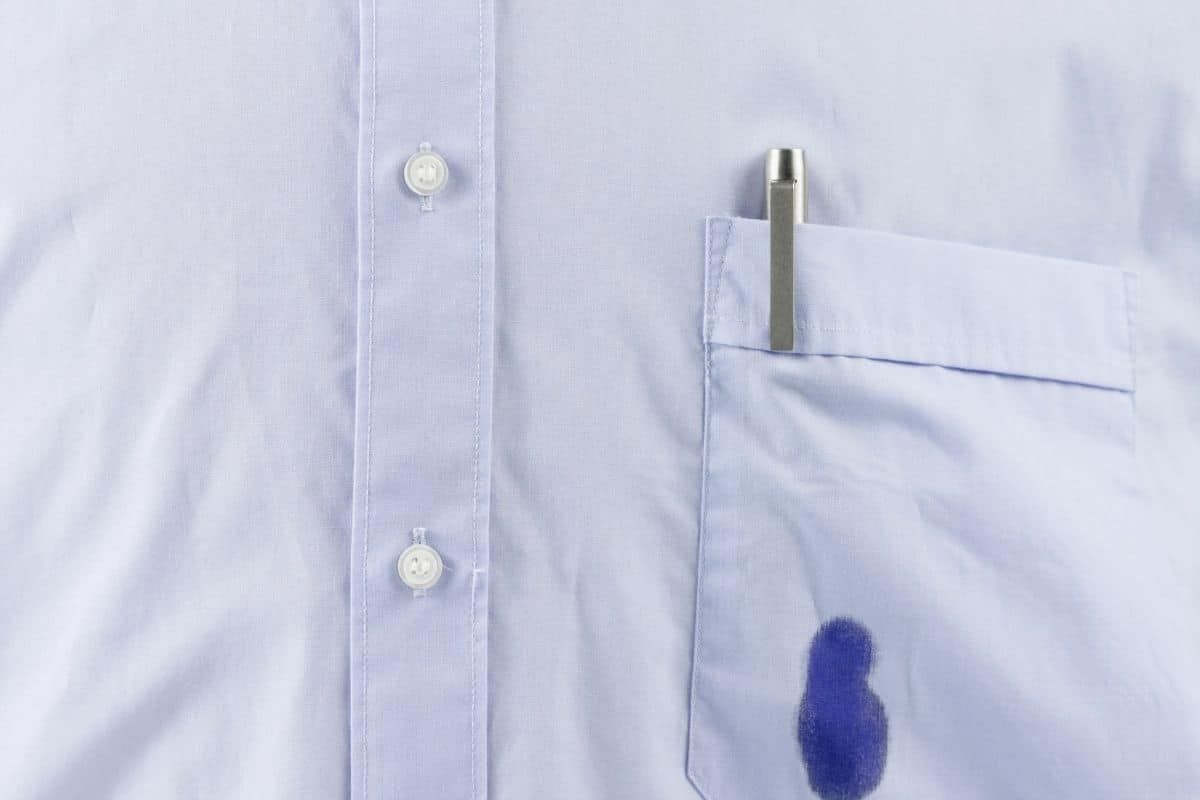
The word "permanent" in permanent marker is more of a marketing claim than an absolute truth. While Sharpie and other permanent markers are certainly more resistant than regular markers, they can be removed from most surfaces with the right approach. The key is matching the solvent to the surface. Rubbing alcohol works on most hard surfaces. The dry-erase marker trick (drawing over permanent marker with a dry-erase marker, then wiping) works surprisingly well on whiteboards and glass. For porous surfaces like wood, you may need to sand lightly after solvent treatment.
Permanent markers use dyes dissolved in a solvent (typically xylene, toluene, or an alcohol). When the solvent evaporates, the dye is left behind bonded to the surface by a resin. To remove permanent marker, you need to re-dissolve the resin. Isopropyl alcohol, acetone, and other solvents can do this. The dry-erase marker trick works because dry-erase markers contain a solvent that dissolves the permanent marker resin, plus a release agent (silicone) that prevents re-bonding.
General Tips for Permanent Marker Stains
- Rubbing alcohol is the safest first-line treatment for most surfaces
- The dry-erase marker trick works great on whiteboards and glass
- Acetone (nail polish remover) is stronger but can damage some surfaces
- Toothpaste (non-gel) works on walls and painted surfaces
- Sunscreen can remove permanent marker from skin and some plastics
- Using acetone on plastic (it can melt or cloud the surface)
- Scrubbing too hard on painted surfaces (removes the paint along with the marker)
- Not testing the solvent on a hidden area first
- Using water-based cleaners (permanent marker is solvent-based, not water-based)
Removing Permanent Marker Stains by Surface
The best method for removing permanent marker stains depends heavily on the surface material. Different surfaces require different cleaning agents and techniques — what works on carpet can damage leather, and what's safe for clothing may harm hardwood. Use our Stain Finder to get a method tailored to your exact surface, or browse the surface-specific guides below.
Speed is the single most important factor in stain removal. A permanent marker stain treated within the first 5 minutes has a dramatically higher removal rate than one left for an hour. If you cannot treat it immediately, blot up as much as possible and keep the area damp with cold water until you can apply the proper treatment. Use our Emergency Guide for immediate step-by-step action.
Frequently Asked Questions
Related Stain Guides
If you are dealing with a similar stain, these guides may also be helpful:
- How to remove ink stains — Ink stains vary dramatically depending on the type of ink. Ballpoint, permanent ...
Not sure which cleaner to use? Our Product Finder gives expert-tested recommendations for permanent marker stains based on your specific surface and scenario. We only recommend products we have tested — no sponsored placements.
Interactive Tools
Pick your surface and stain age to get a personalized removal method for Permanent Marker stains.
Open Stain Finder →Get immediate step-by-step action for any fresh spill. Every second counts.
Emergency Guide →Get expert-tested product recommendations for Permanent Marker stains.
Product Finder →Sarah Chen
Editor-in-Chief, StainDesk
Sarah holds a degree in chemistry and spent 3 years in commercial cleaning before transitioning to editorial work. She has tested hundreds of stain removal methods across 8 years of hands-on research.
Meet the full editorial team →