How to Remove Pet Urine Stains — Tested Methods
hardHow to remove pet urine stains and odor from carpet, hardwood floors, mattresses, and upholstery. Enzyme cleaner guide and odor elimination methods that actually work.
Marcus Rodriguez · Senior Writer
Published April 1, 2026
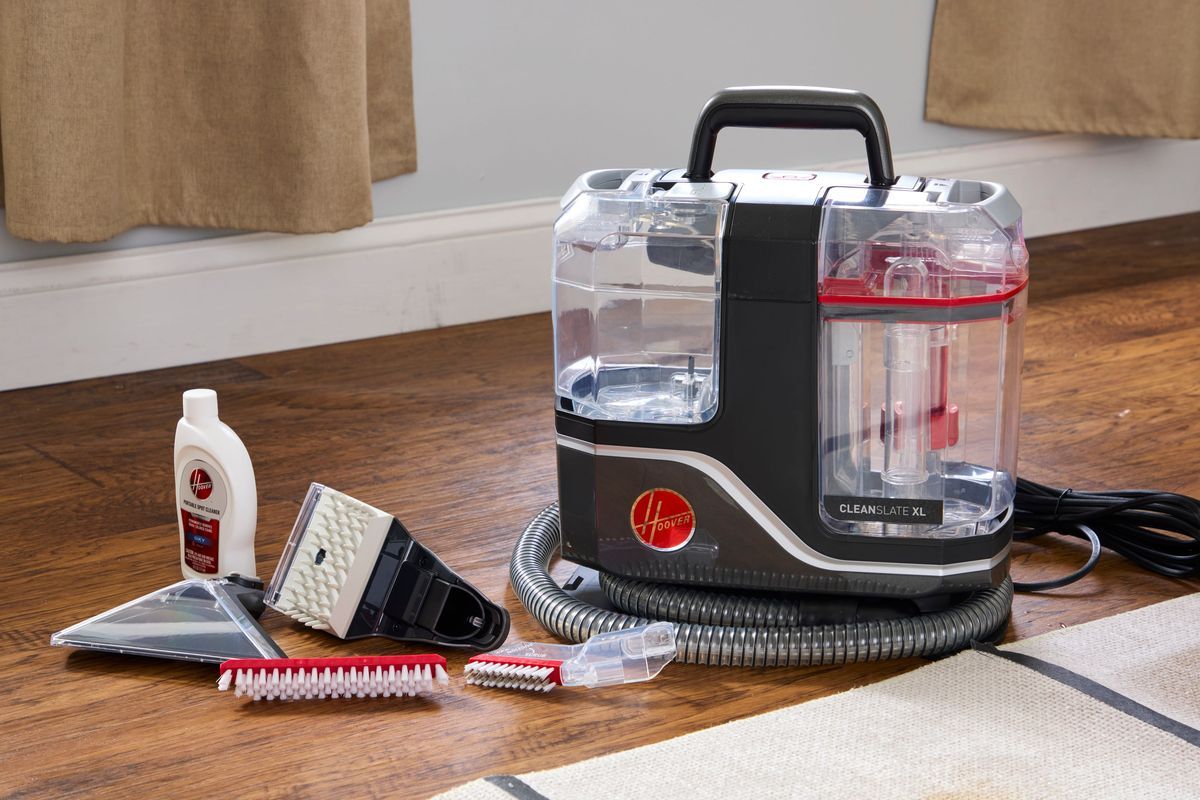
If you have pets, you have dealt with urine stains. It is an inevitability of pet ownership. What makes pet urine particularly challenging is not just the stain itself, but the odor and the behavioral cycle it creates — pets can smell old urine marks and are drawn to urinate in the same spot again. After years of testing products and methods, we can say definitively: enzymatic cleaners are the only reliable solution. Vinegar and baking soda help with the surface stain, but they do not break down the uric acid crystals that cause the lingering odor.
Pet urine contains urea, urochrome (the yellow pigment), uric acid, and various salts. When urine dries, the urea is broken down by bacteria into ammonia (causing the strong smell). The uric acid forms crystals that are insoluble in water and resistant to most cleaning agents. These crystals can remain in carpet padding and subflooring for years, reactivating with humidity. Enzymatic cleaners contain specific bacteria that produce enzymes (proteases and lipases) that break down uric acid crystals at the molecular level.
General Tips for Pet Urine Stains
- Blot up as much urine as possible immediately — stand on paper towels to absorb from carpet
- Use an enzymatic cleaner (like Nature's Miracle or Rocco & Roxie) — nothing else fully eliminates the odor
- Use a UV blacklight to find old, invisible urine stains
- Saturate the area completely — the cleaner must reach as deep as the urine did
- Allow enzymatic cleaners to air dry naturally — do not blot them up
- Using ammonia-based cleaners (urine contains ammonia — this attracts pets back)
- Not using enough enzymatic cleaner (it must penetrate as deep as the urine)
- Steam cleaning before enzymatic treatment (heat sets the protein stain)
- Blotting up the enzymatic cleaner before it has finished working
Removing Pet Urine Stains by Surface
The best method for removing pet urine stains depends heavily on the surface material. Different surfaces require different cleaning agents and techniques — what works on carpet can damage leather, and what's safe for clothing may harm hardwood. Use our Stain Finder to get a method tailored to your exact surface, or browse the surface-specific guides below.
Speed is the single most important factor in stain removal. A pet urine stain treated within the first 5 minutes has a dramatically higher removal rate than one left for an hour. If you cannot treat it immediately, blot up as much as possible and keep the area damp with cold water until you can apply the proper treatment. Use our Emergency Guide for immediate step-by-step action.
Frequently Asked Questions
Related Stain Guides
If you are dealing with a similar stain, these guides may also be helpful:
- How to remove blood stains — Blood stains require cold water — never hot. The proteins in blood coagulate wit...
Not sure which cleaner to use? Our Product Finder gives expert-tested recommendations for pet urine stains based on your specific surface and scenario. We only recommend products we have tested — no sponsored placements.
Interactive Tools
Pick your surface and stain age to get a personalized removal method for Pet Urine stains.
Open Stain Finder →Get immediate step-by-step action for any fresh spill. Every second counts.
Emergency Guide →Get expert-tested product recommendations for Pet Urine stains.
Product Finder →Marcus Rodriguez
Senior Writer, StainDesk
Marcus is a professional house cleaner with 12 years of experience removing stains from thousands of homes. His guides focus on practical methods that work in real-world conditions.
Meet the full editorial team →