How to Remove Water Stains Stains — Tested Methods
moderateHow to remove water stains from wood furniture, ceilings, glass, and car surfaces. White ring removal methods and hard water stain solutions tested and compared.
Dr. Elena Vasquez · Science Advisor
Published April 1, 2026
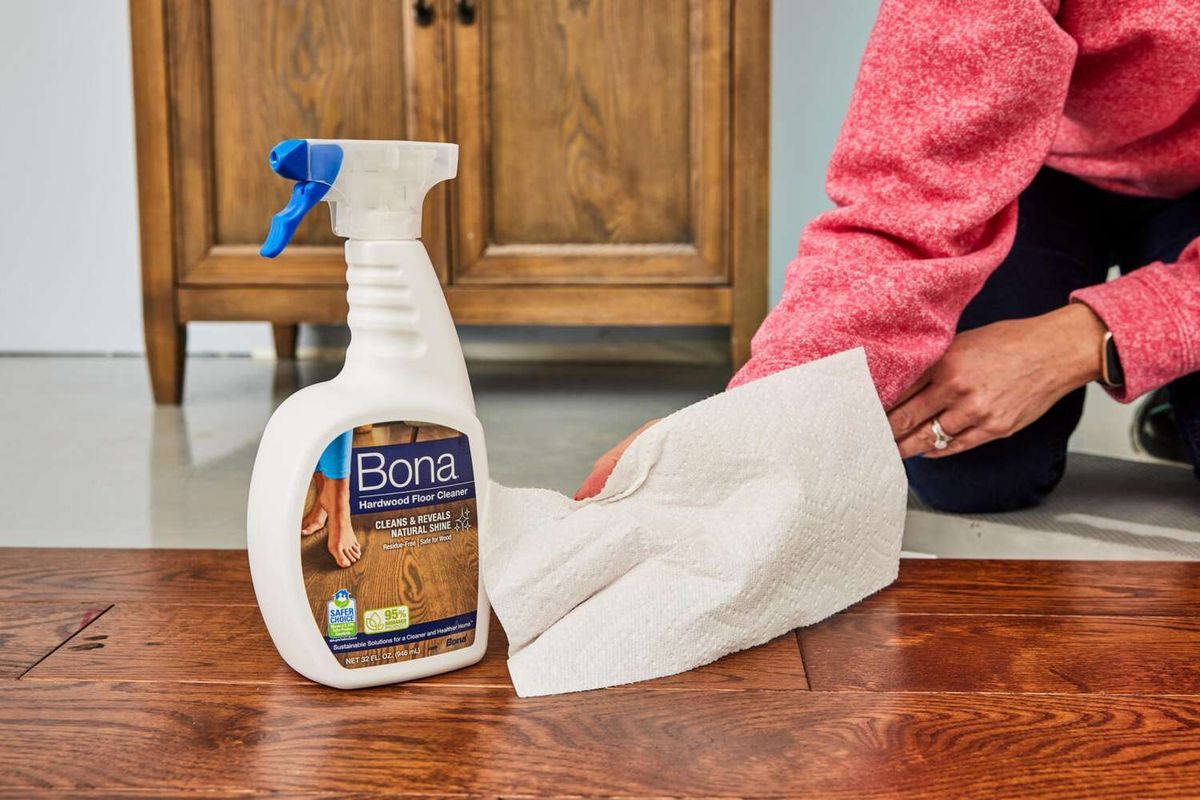
Water stains come in two varieties: white rings on wood furniture (caused by moisture trapped in the finish) and hard water deposits on glass and fixtures (caused by mineral buildup). White water rings on wood are surprisingly easy to fix — a household iron or mayonnaise can remove them in minutes. Hard water stains on glass require acidic solutions to dissolve the mineral deposits. We have tested both categories extensively and found simple, reliable solutions for each.
White water rings on wood occur when moisture gets trapped between the finish layers, creating a cloudy appearance. The wood itself is not damaged — only the finish is affected. Heat (from an iron) or oil (from mayonnaise) can displace the trapped moisture and restore clarity. Hard water stains are mineral deposits — primarily calcium carbonate and magnesium — left behind when water evaporates. These minerals are alkaline, so acidic solutions (vinegar, lemon juice, CLR) dissolve them effectively.
General Tips for Water Stains Stains
- For white water rings on wood, try a warm iron over a cloth first
- Mayonnaise left overnight can remove white water rings from wood
- For hard water on glass, use white vinegar in a spray bottle
- CLR (Calcium, Lime, Rust) remover works on severe hard water buildup
- Prevention is key — use coasters and squeegee shower glass after use
- Confusing white water rings (finish damage) with dark water stains (wood damage)
- Using abrasive cleaners on glass (can scratch)
- Not letting vinegar sit long enough on hard water deposits (needs 15-30 minutes)
- Sanding wood for a white water ring (unnecessary — the wood is not damaged)
Removing Water Stains Stains by Surface
The best method for removing water stains stains depends heavily on the surface material. Different surfaces require different cleaning agents and techniques — what works on carpet can damage leather, and what's safe for clothing may harm hardwood. Use our Stain Finder to get a method tailored to your exact surface, or browse the surface-specific guides below.
Speed is the single most important factor in stain removal. A water stains stain treated within the first 5 minutes has a dramatically higher removal rate than one left for an hour. If you cannot treat it immediately, blot up as much as possible and keep the area damp with cold water until you can apply the proper treatment. Use our Emergency Guide for immediate step-by-step action.
Frequently Asked Questions
Related Stain Guides
If you are dealing with a similar stain, these guides may also be helpful:
- How to remove rust stains — Rust stains are iron oxide deposits that require acidic solutions to dissolve. N...
Not sure which cleaner to use? Our Product Finder gives expert-tested recommendations for water stains stains based on your specific surface and scenario. We only recommend products we have tested — no sponsored placements.
Interactive Tools
Pick your surface and stain age to get a personalized removal method for Water Stains stains.
Open Stain Finder →Get immediate step-by-step action for any fresh spill. Every second counts.
Emergency Guide →Get expert-tested product recommendations for Water Stains stains.
Product Finder →Dr. Elena Vasquez
Science Advisor, StainDesk
Elena holds a PhD in materials science and specializes in polymer chemistry and surface interactions. She ensures all scientific explanations on StainDesk are accurate.
Meet the full editorial team →