Leather Stain Removal Guide — Tested Methods
How to remove stains from leather furniture, jackets, bags, and shoes. Safe methods for ink, water, oil, and dye transfer stains on leather.
Sarah Chen · Editor-in-Chief
Published April 1, 2026
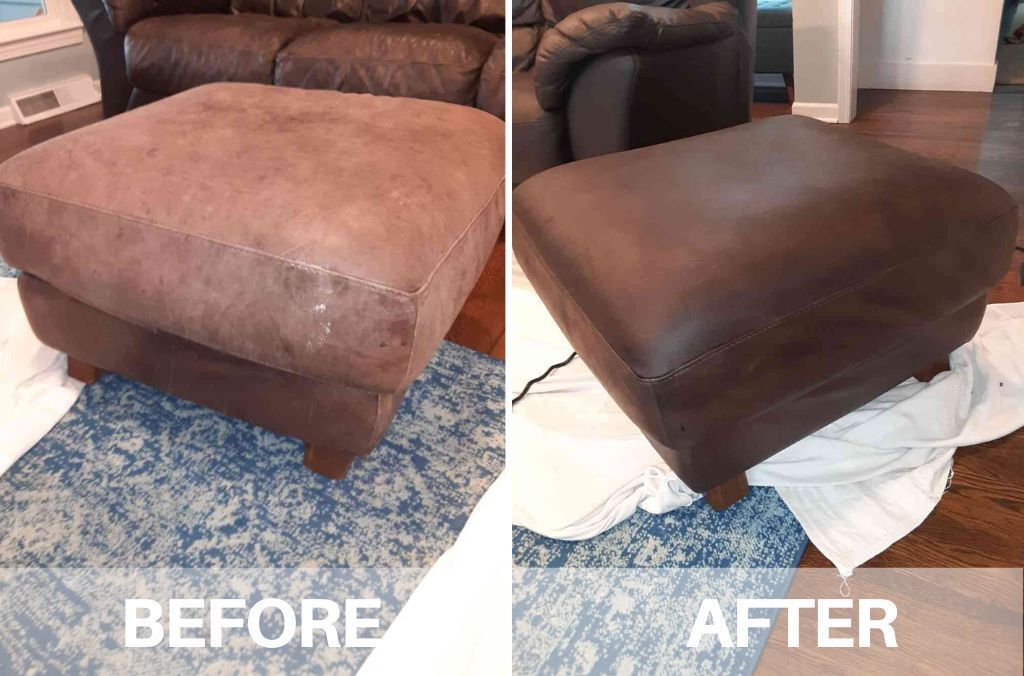
Leather is a natural material that requires respect. It is porous, it can dry out and crack, and it can be permanently damaged by harsh chemicals or excessive moisture. The key to leather stain removal is gentleness. Start with the mildest method possible and only escalate if needed. For most stains, a damp cloth with a tiny amount of mild soap is sufficient. After any cleaning, always apply a leather conditioner to restore moisture and prevent cracking. We have ruined enough leather goods in our testing to know that patience and restraint are your best tools.
Different types of leather require different care. Finished (protected) leather has a coating that provides some stain resistance. Unfinished (aniline) leather is more porous and stains more easily. Suede and nubuck are the most delicate and should be treated with specialized products only. When in doubt, test on a hidden area or consult a leather care professional.
General Cleaning Tips for Leather
- Start with the gentlest method — a damp cloth with mild soap
- Always condition leather after cleaning to prevent drying and cracking
- Test any cleaning product on a hidden area first
- Blot stains — never rub leather
- Keep leather away from direct sunlight and heat sources
- Using harsh chemicals or alcohol without testing first
- Not conditioning leather after cleaning (causes drying and cracking)
- Using excessive water (can cause water stains and warping)
- Rubbing stains instead of blotting (can damage the leather surface)
Common Stains on Leather
The best removal method depends on the type of stain, not just the surface. Use our Stain Finder to get a method tailored to your exact stain and surface combination, or browse the stain-specific guides below for detailed instructions.
Always test any cleaning solution on a hidden area of your leather before applying it to the stain. Different materials within the same surface category can react very differently to cleaning agents. When in doubt, start with the mildest solution (cold water and dish soap) and escalate only if needed. Use our Product Finder to identify the right cleaner for your specific scenario.
Frequently Asked Questions
Interactive Tools
Select your stain type to get a removal method tailored to Leather.
Open Stain Finder →Get immediate step-by-step action for any fresh spill. Every second counts.
Emergency Guide →Find the best cleaner for stains on Leather.
Product Finder →Sarah Chen
Editor-in-Chief, StainDesk
Sarah holds a degree in chemistry and spent 3 years in commercial cleaning before transitioning to editorial work. She has tested hundreds of stain removal methods across 8 years of hands-on research.
Meet the full editorial team →